
Three Silenced Realities
Before we can build a bridge, we must confront the three fundamental barriers for preserving Punjab heritage, all of which have deepened the divide created by the Partition of Punjab in 1947.
Problem I: Vanishing Voices
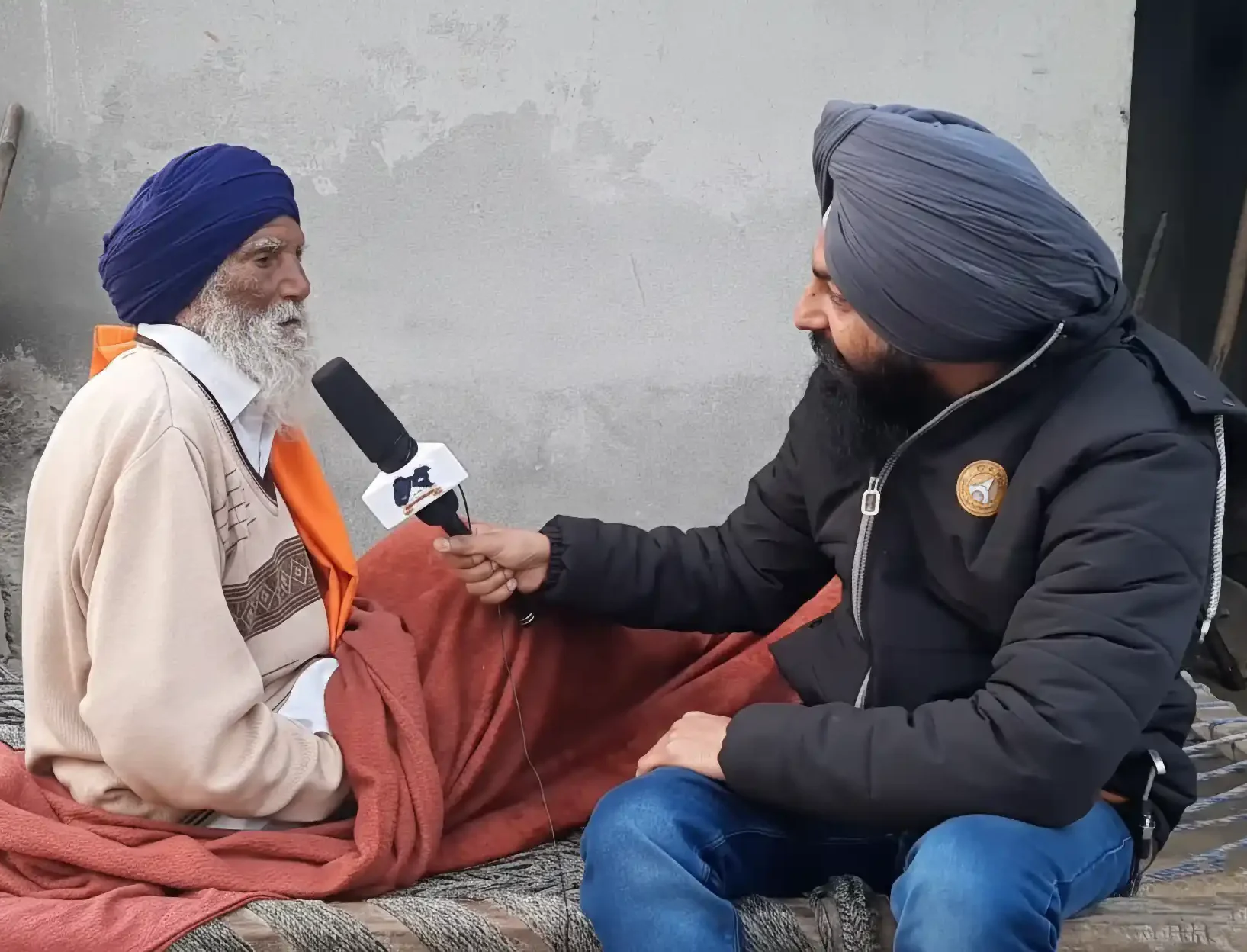
The Loss of the Living Library
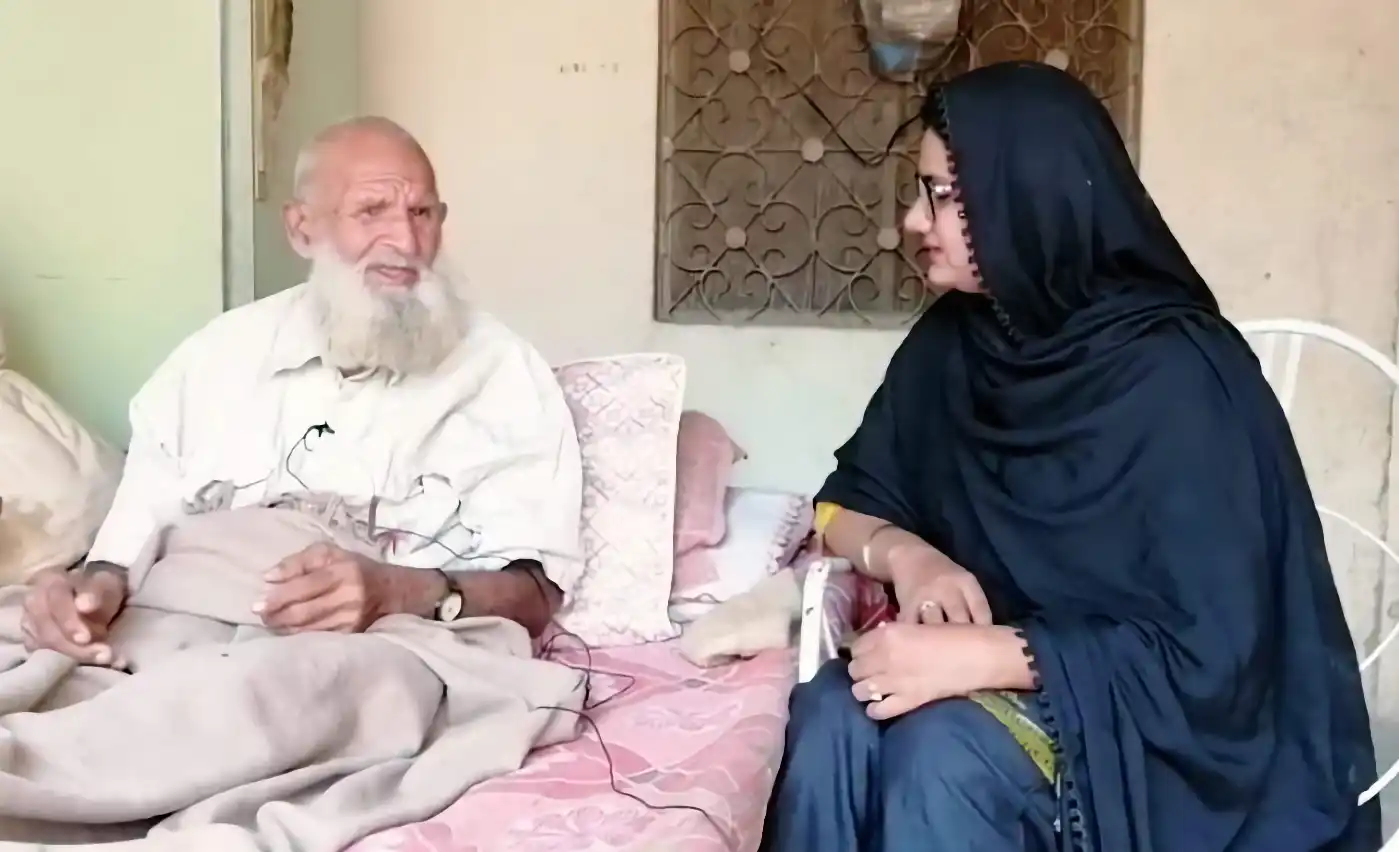
The 1947 partition violently torn millions from their roots, leaving a generation to carry a lifelong longing for a home they would never see again. We are now in a final race against time; as the last eye-witnesses pass away, they take their unfulfilled desires and unspoken histories with them. Each silent departure leaves our story forever fractured and incomplete.
When these elders leave us, the history they carry in their hearts vanishes with them, turning their lifelong unfulfilled desires into a permanent silence that can never be recovered.
Problem II: Decaying Legacies
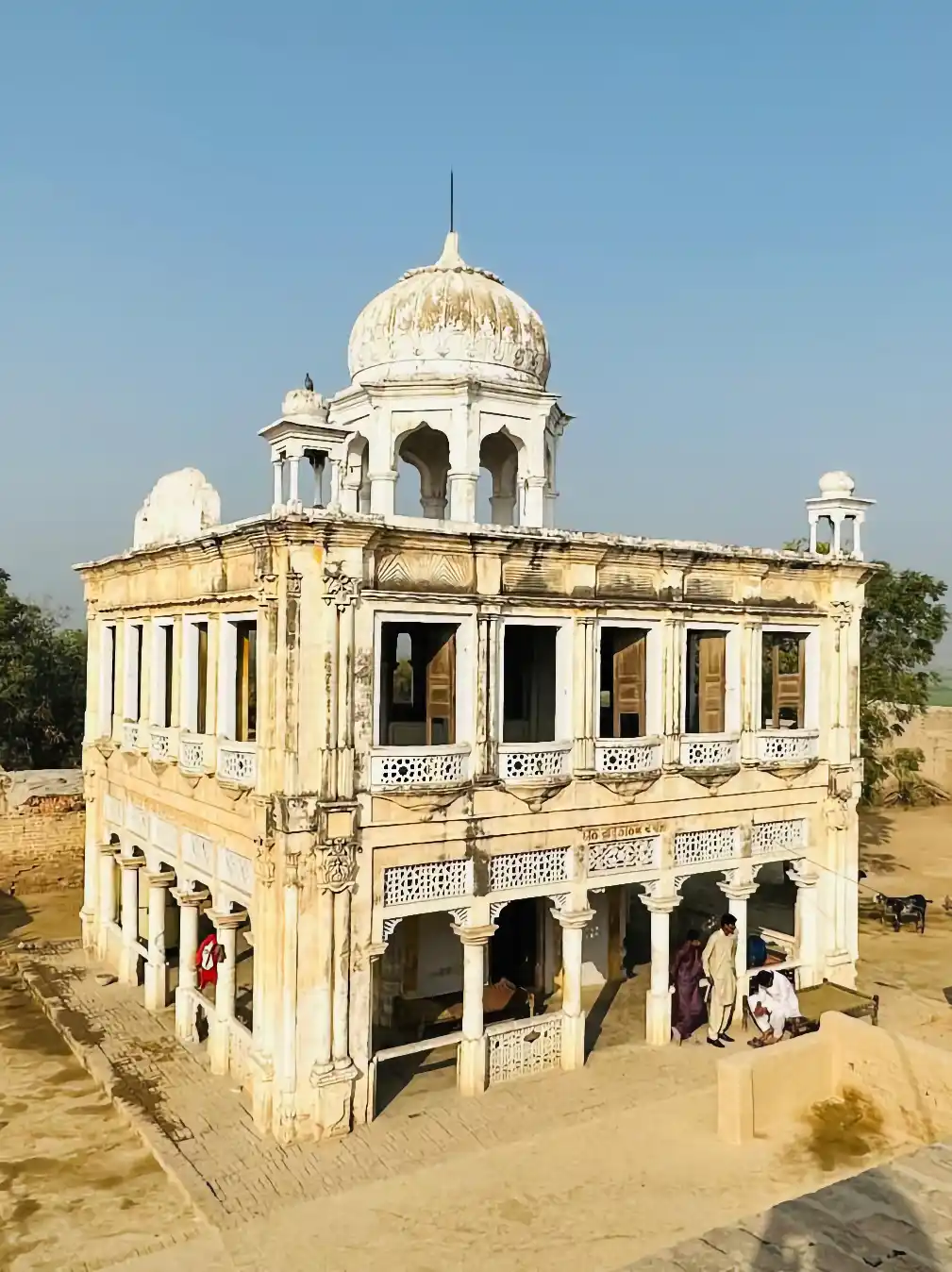
Ruins of Sikh Heritage
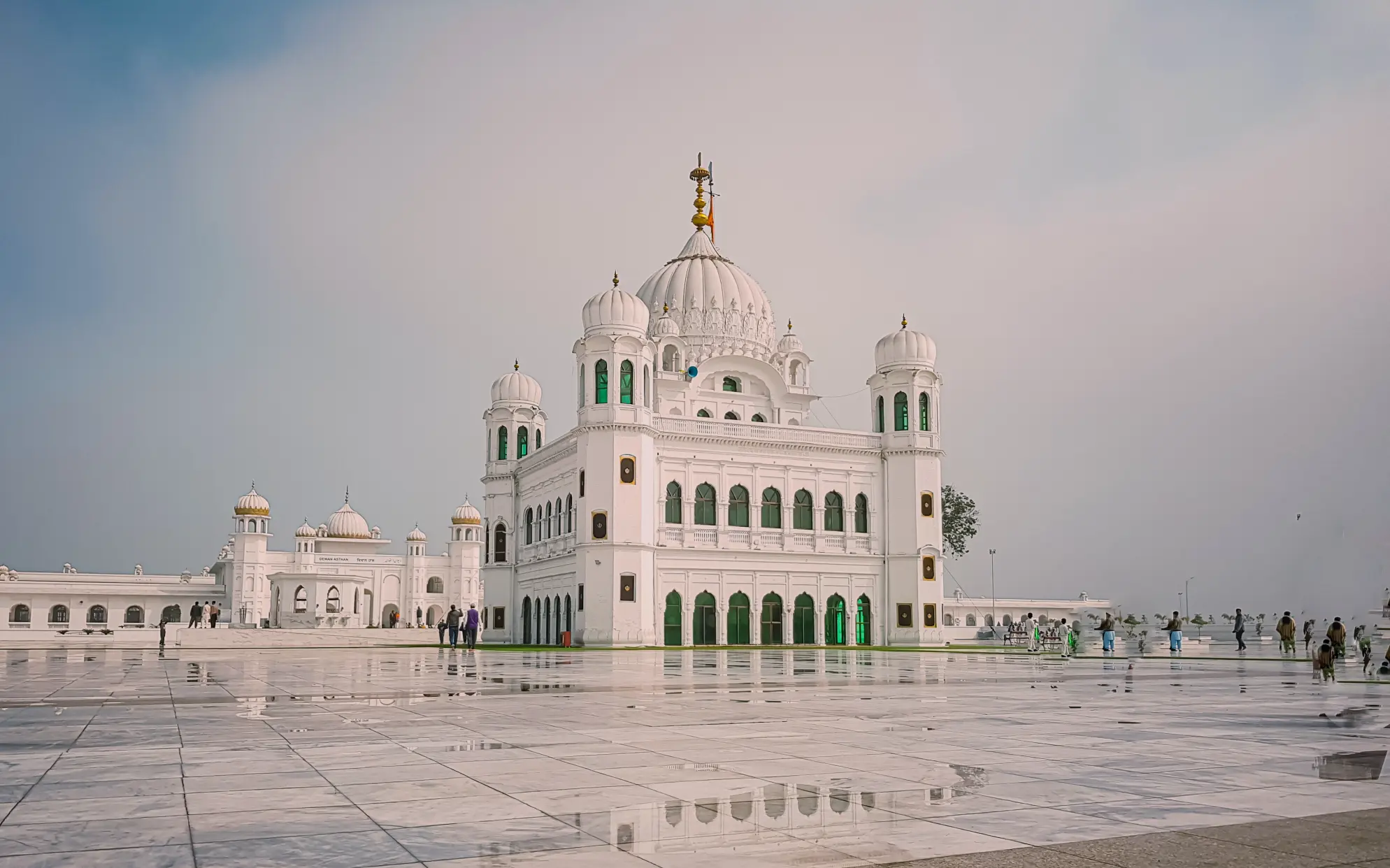
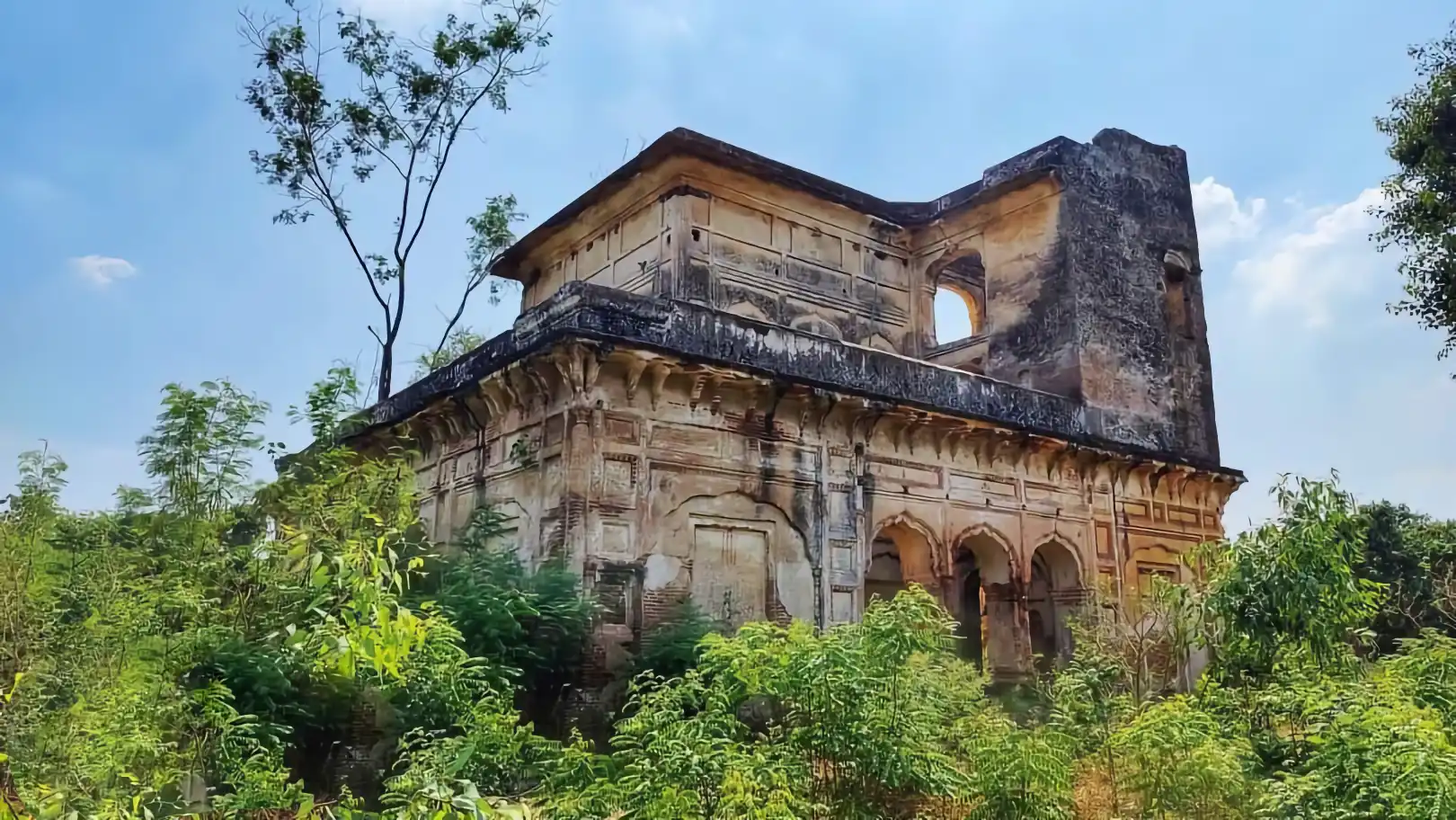
In 1947, Sikhs were uprooted from Lehnda Punjab, forced to leave behind the very heart of their identity: their sacred shrines and historical landmarks. Today, hundreds of these historical Gurdwaras and heritage sites stand as uncared-for, crumbling echoes of a glorious past. Claimed by the dual forces of time and neglect, these physical structures are rapidly disappearing from the map of our land.
These “Falling Legacies” face the threat of total erasure; if we do not document them now, the physical evidence of our Gurus’ footsteps may not survive another decade.
Problem III: The Script Divide
One Language, Two Walls
We speak the same mother tongue, yet we are blinded by the written word. The invisible wall between Shahmukhi and Gurmukhi serves as an intellectual barrier that prevents Punjabis from reading their own soul.
This scriptural blindness stops the flow of poetry, history, and heart-to-heart dialogue between the two sides of the border, keeping us apart.
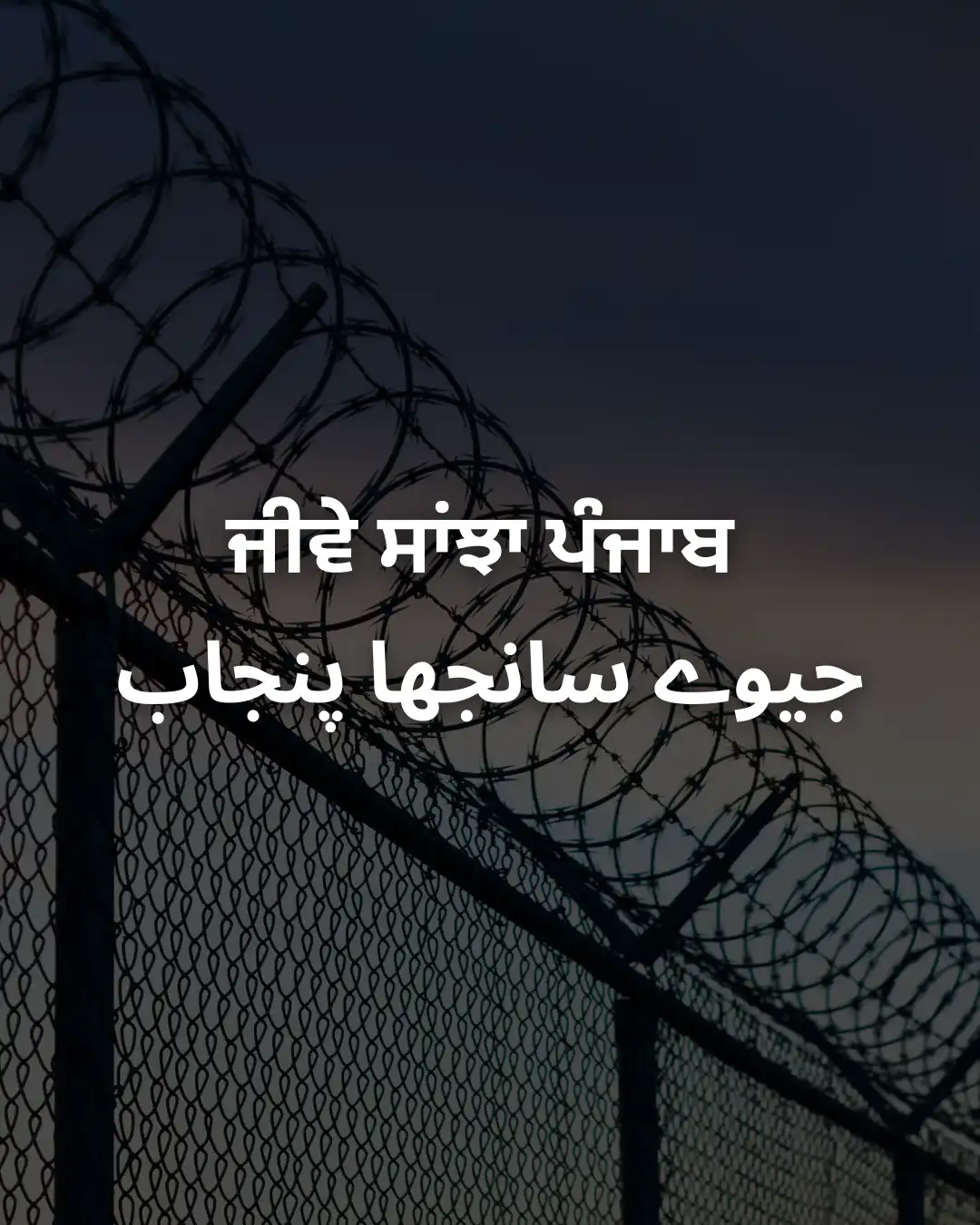
Faced with fading voices, crumbling brickwork, and the silence of the written word, we refuse to remain silent witnesses to the erasure of our identity.
The disconnection of Punjab is three-fold: human, physical, and intellectual. Jeevay Sanjha Punjab serves as an institutional response to this triple crisis—the “thread” that reconnects the living witness, the historic site, and the shared script.
Our Strategic Response
Digital Archiving of
Oral Histories
To counter the loss of our “Living Library,” we systematically record the eyewitness accounts of Partition, creating a searchable database of Punjab’s human geography.
Architectural
Documentation
To protect our “Silent Sentinels,” our field teams produce high-fidelity visual records of crumbling Gurdwaras and Havelis, ensuring their blueprints are never erased.
Bi-Script
Literacy Initiatives
To bridge the linguistic gap, we teach Gurmukhi and Shahmukhi, allowing the next generation to access the shared literary soul of Punjab in its original forms.
The Global Sangat
A Movement Beyond Borders
The Path to our History
The Compass of Memory: Navigating a Punjab Without Borders
“Our history isn’t found in quiet libraries, but in the dusty lanes of border villages, through the steam of shared tea, and in the trembling voices of those who remember a Punjab without borders.”
Ruins of our heritage
The Pain of 1947
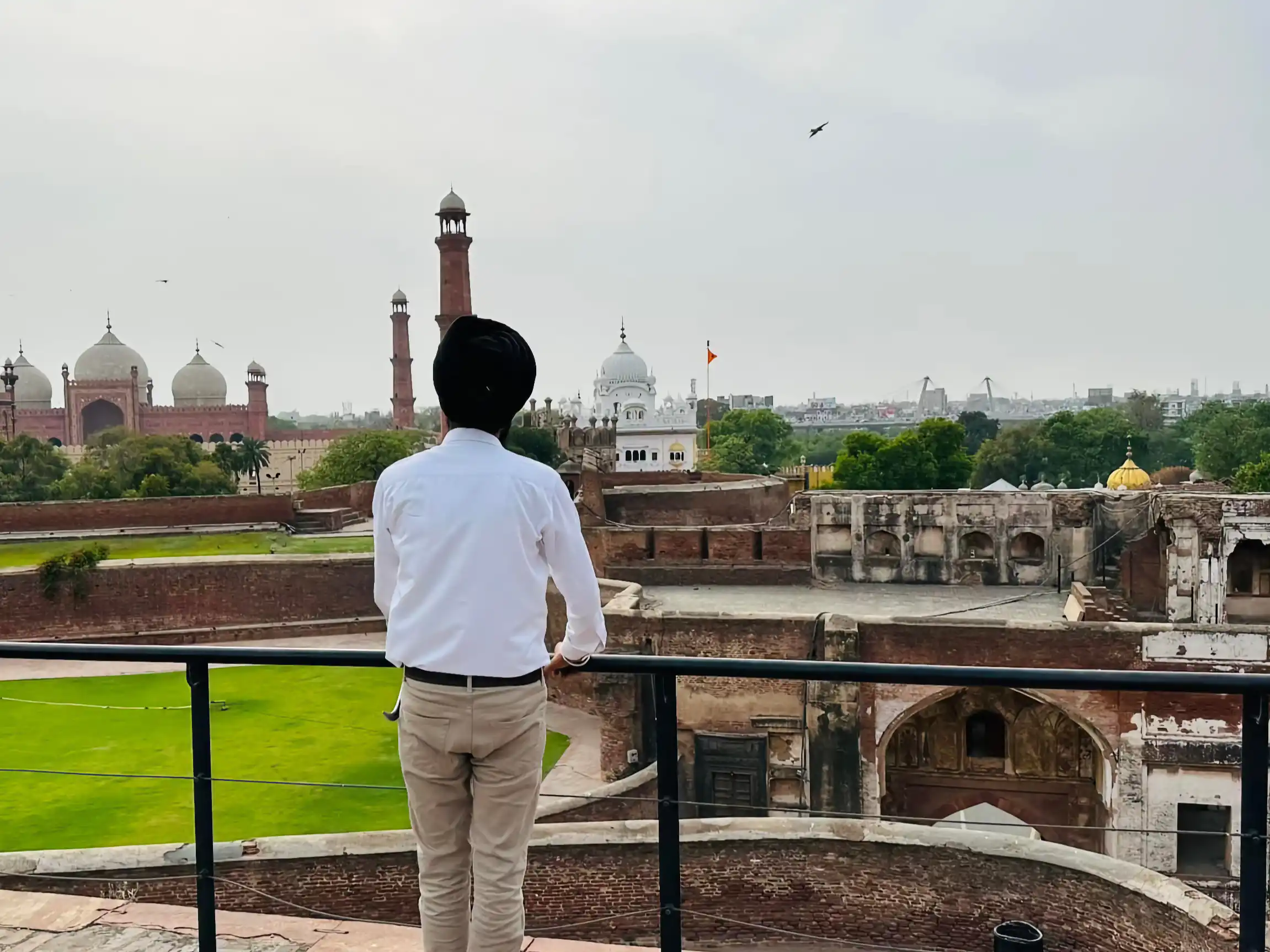
Inspiration from Glorious History
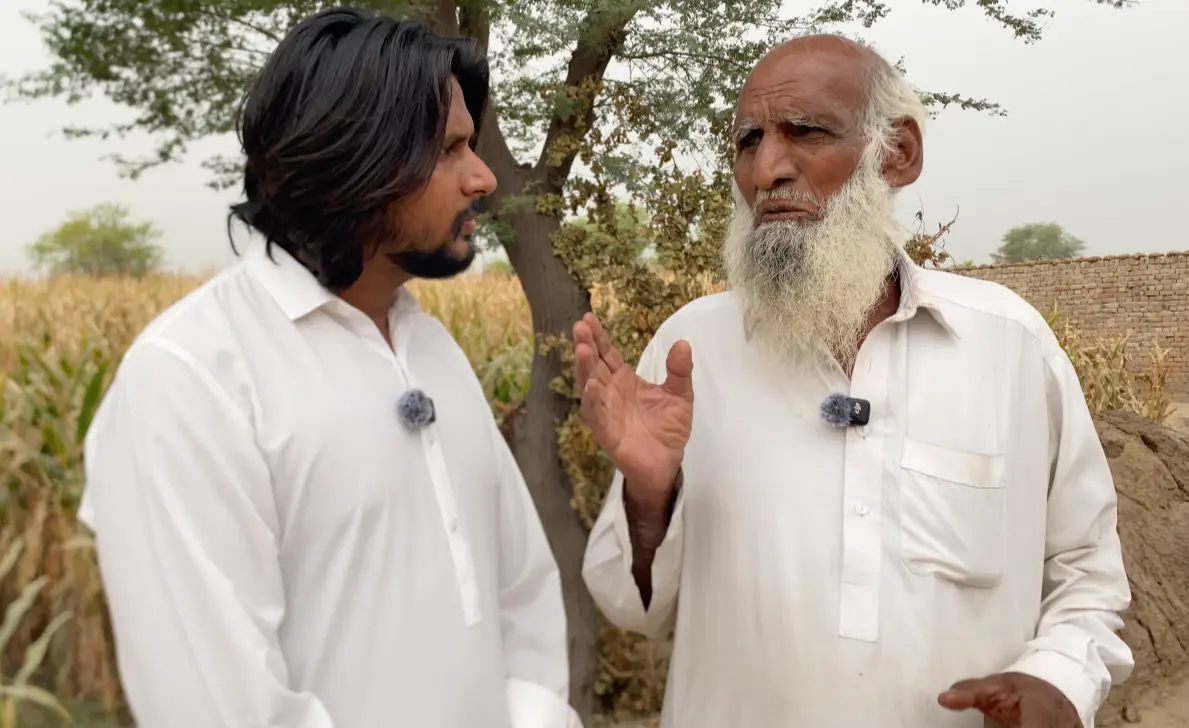
Field Work
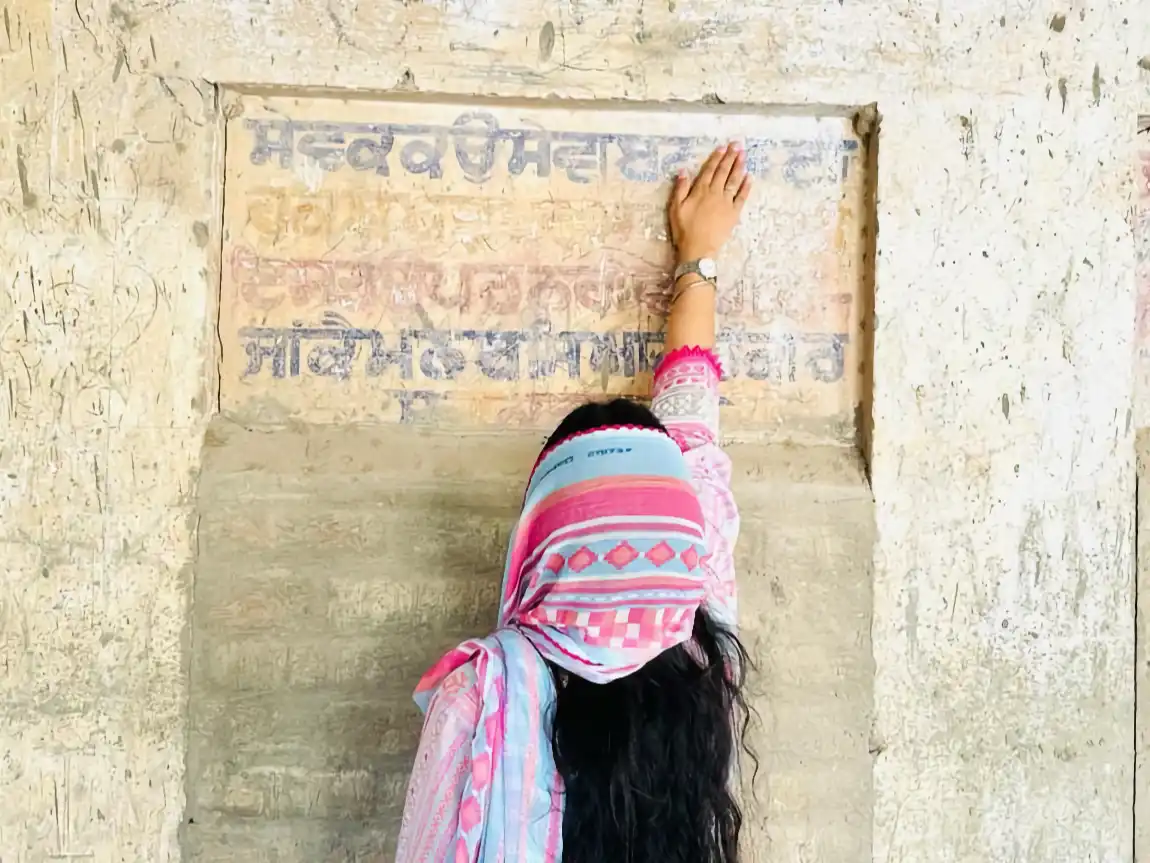
Whispering Walls – Cleaning the Dust
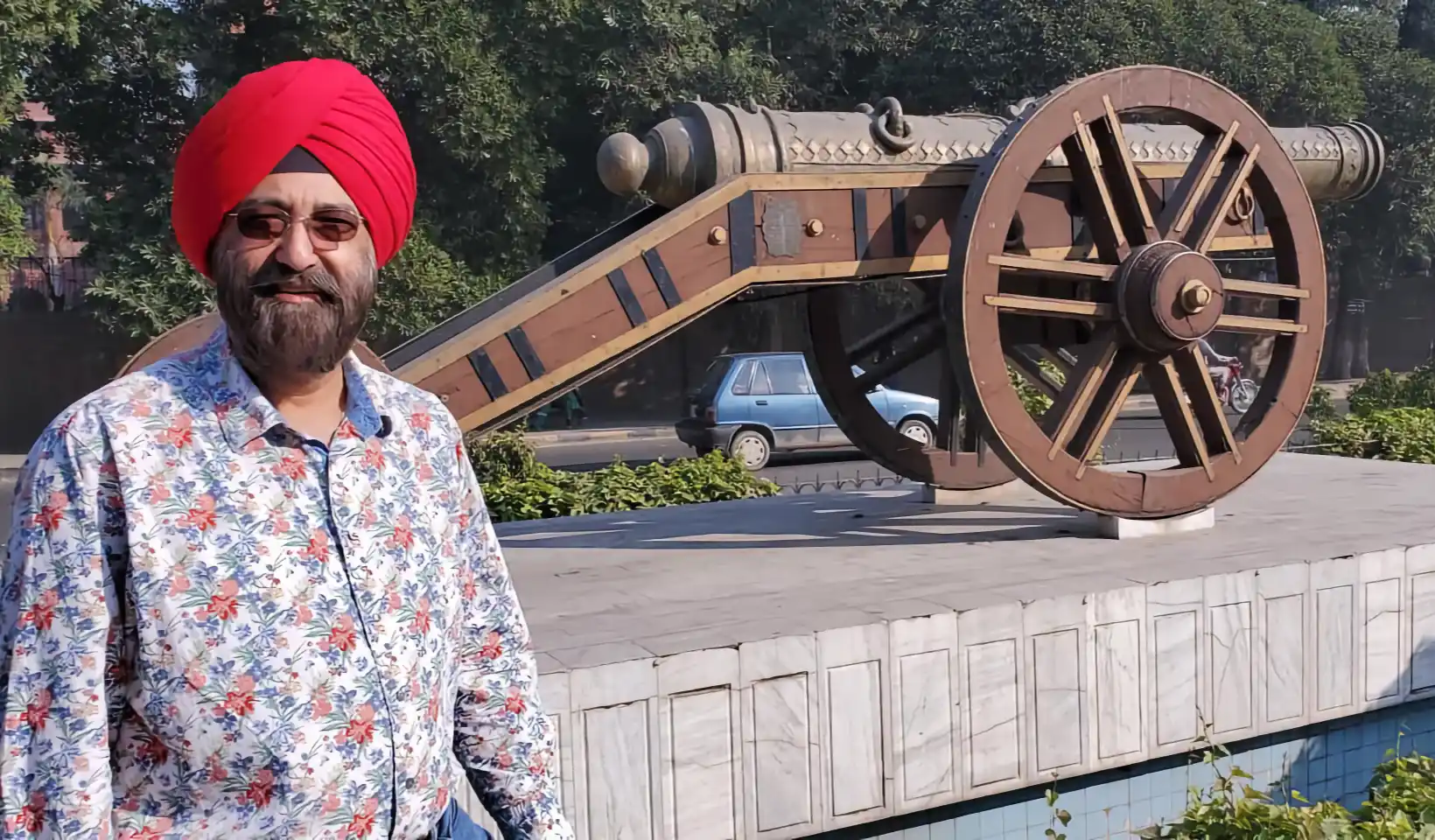
Witness and Documenting History
A History That Speaks
Our recordings are not locked away in private vaults. They belong to the people of Punjab. We actively curate our field findings into digital documentaries and oral history archives, ensuring that our collective work in preserving Punjab heritage continues to burn bright, passing the flame of our shared history to the next generation.
JOIN OUR MISSION