Logo
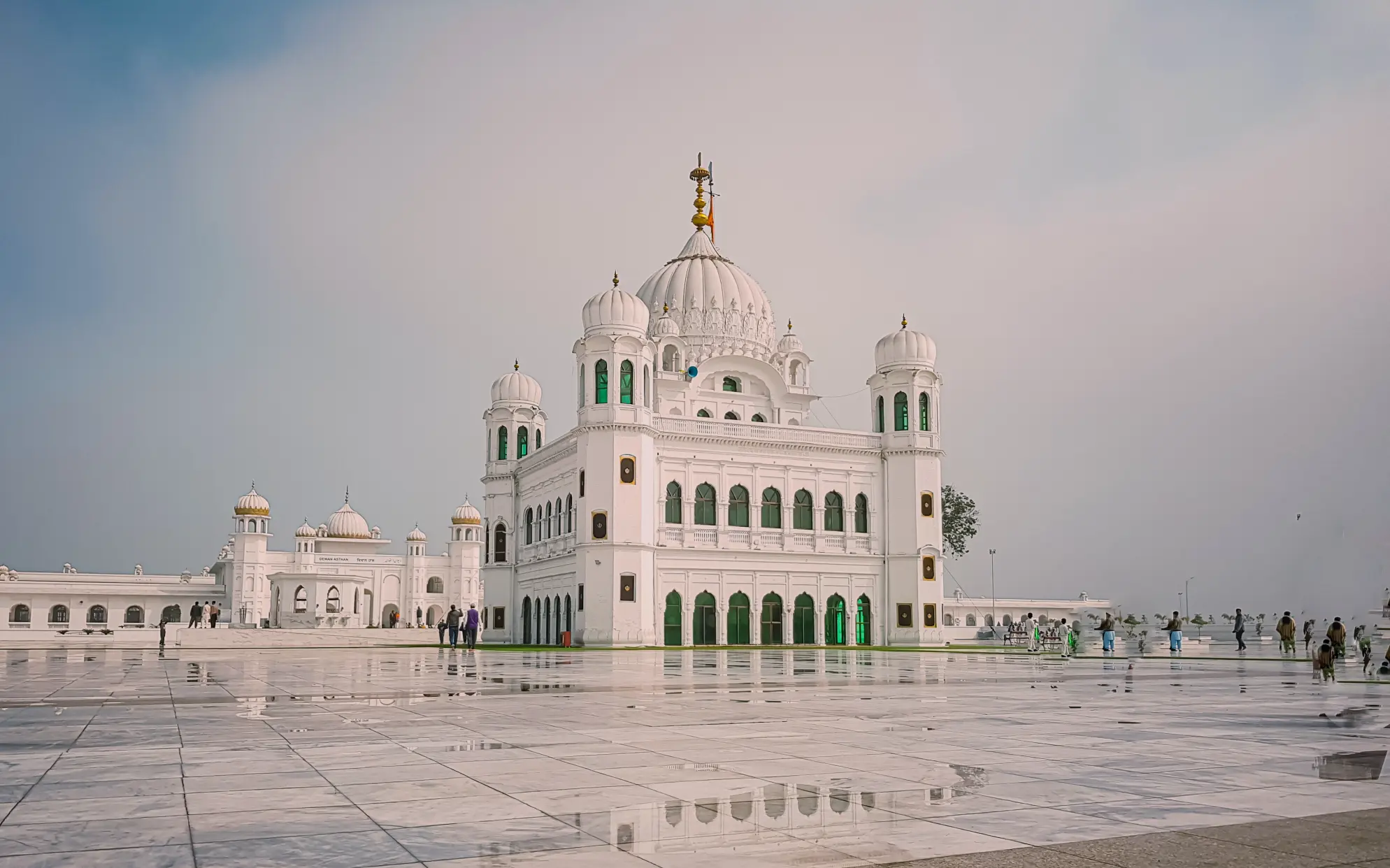
A wide view of the white domed Gurdwara Darbar Sahib in Kartarpur, Pakistan, the final resting place of Guru Nanak Sahib Ji, by Jeevay Sanjha Punjab

Preserving the Soul of the Land of Five Rivers

Jeevay Sanjha Punjab

“Documenting the vanishing, educating the living, and bridging the hearts of East and West Punjab.”
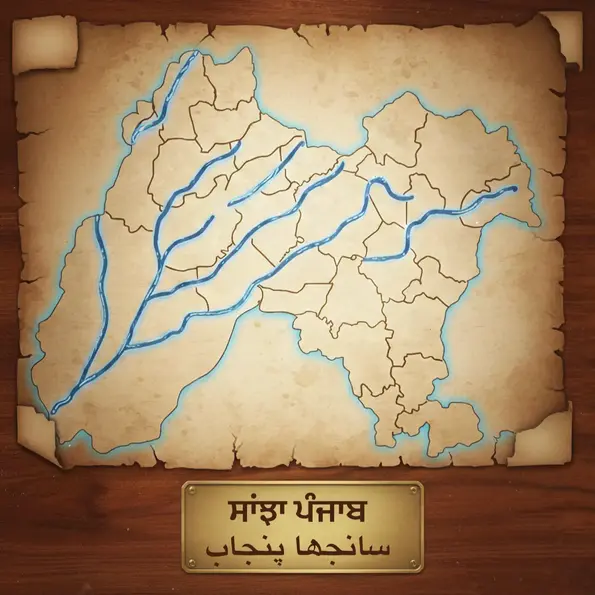
The Foundation

A Shared Heart,
A Divided Map.


With 5,500 years of history, Punjab’s warriors defied empires while our Gurus and Sufis gave us a message of oneness and love. Though 1947 drew a line through our shared heritage, these ancient threads remain unbroken in Sanjha Punjab.

“Jeevay Sanjha Punjab is finding those threads of our history, heritage, language and the culture, and weaving them back together for the next generation.”

A historical and geographical map of Sanjha Punjab showing the integrated region and the paths of the five major rivers: Sutlej, Beas, Ravi, Chenab, and Jhelum. It represents the vision of Jeevay Sanjha Punjab.

Reflections of the Soil


Our Race Against Time

The Three Pillars of Preservation
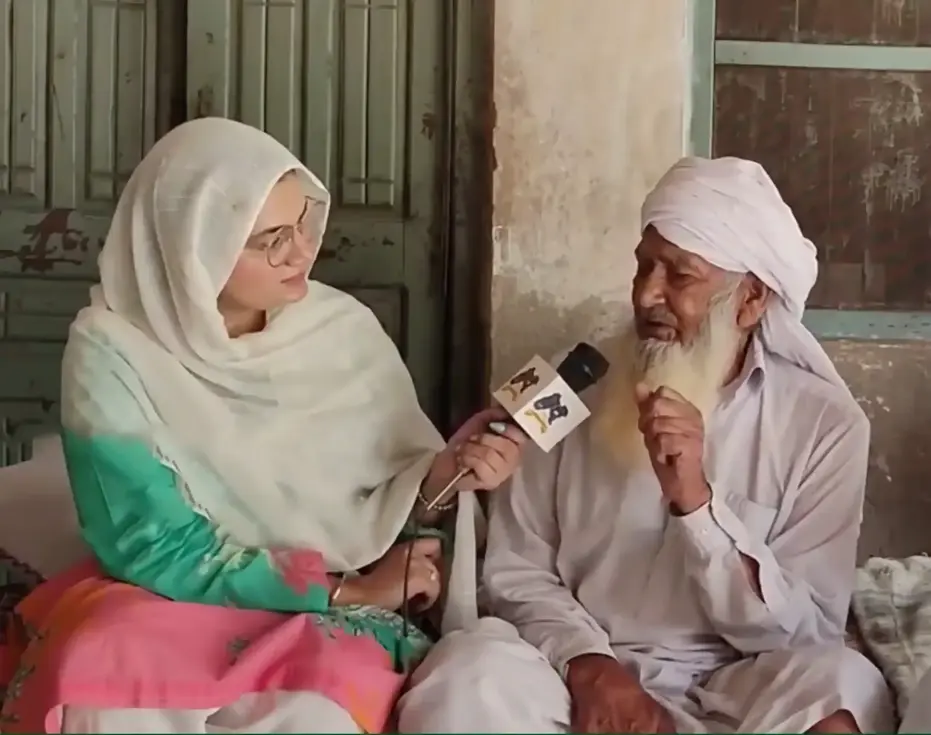
 
Purva Masaud, the director of Jeevay Sanjha Punjab, conducting an oral history interview with a 1947 Partition survivor in a village setting.
Living Archive
I

Living Testimonies

Beyond documentation, this is a sacred mission to reconnect the 1947 generation with their roots. Racing against the clock, Jeevay Sanjha Punjab captures the memories of those who still carry the keys to homes they left decades ago, bringing their untold stories into the permanent archive of our heritage.

Enter the Archive   →
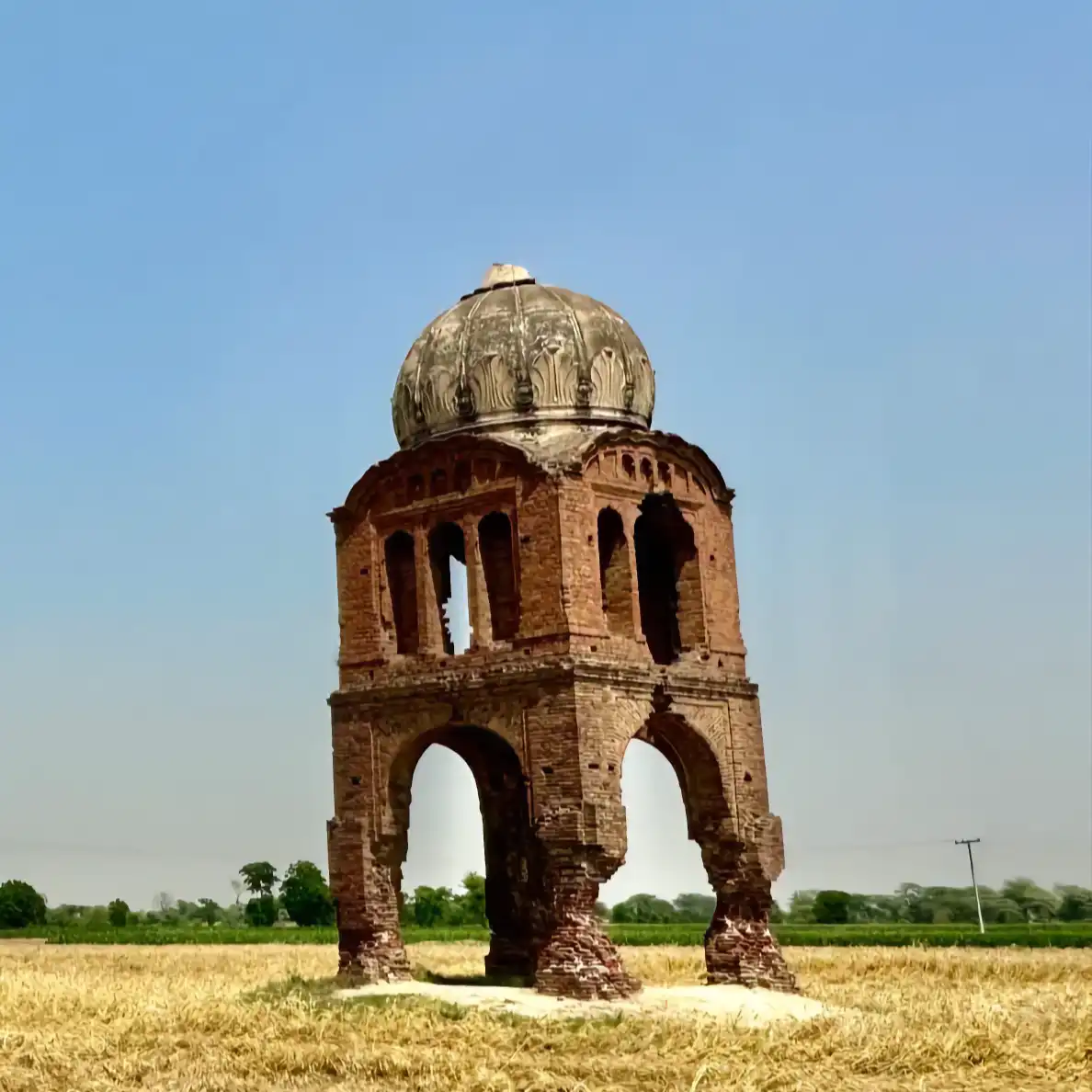
A weathered brick archway and the structural remains of Gurdwara Jhaari Sahib in Pakistan, documented by the Purva Masaud, founder of Jeevay Sanjha Punjab heritage project.
Heritage Map
II

Sikh Heritage in Pakistan

When millions moved from West to East Punjab in 1947, over 300 historical Sikh sites were left behind. While a few remain maintained, the vast majority are slowly turning to ruins. Jeevay Sanjha Punjab’s field teams work across the landscape to document these fading landmarks through digital mapping and photography.

View the Map   →
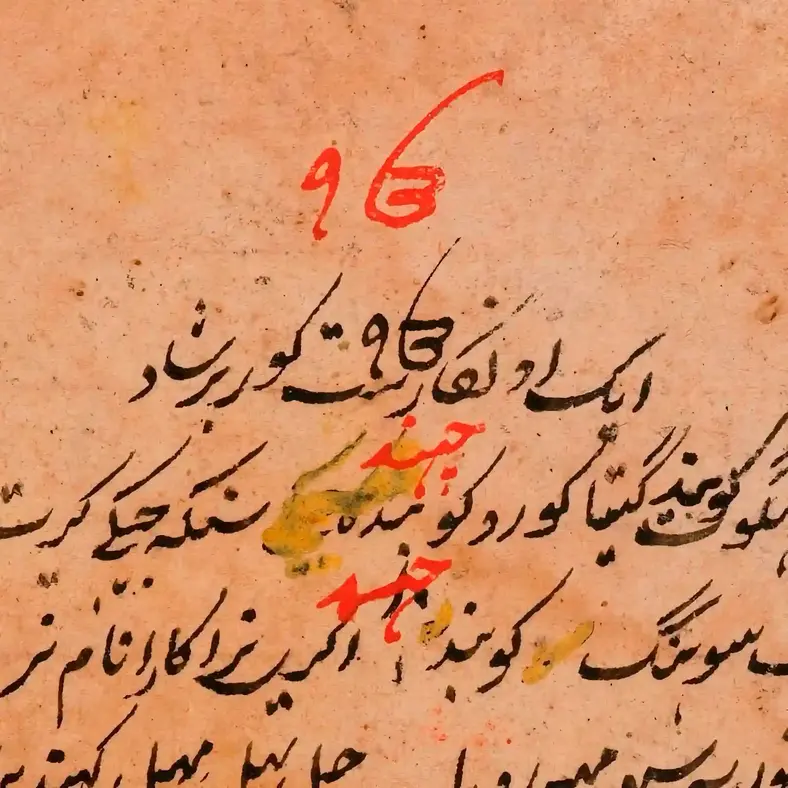
A close-up of a historical manuscript featuring unique handwriting, used to represent the Gurmukhi and Shahmukhi script learning classes at Jeevay Sanjha Punjab.
Shared Script
III

Seperation by Script

We are breaking the barriers of script to reconnect Punjab with its roots. By teaching Gurmukhi in West Punjab and Shahmukhi in East Punjab, Jeevay Sanjha Punjab ensures that the poetry of Bulleh Shah and the Guru’s baani can be read by every Punjabi across the border.

Join the Class   →

Our Global Impact

A Movement Beyond Borders

0+
Heritage Sites
0+
Villages Covered
0+
Students
0+
Years of Impact

Knowledge Exchange

Upcoming Webinars

 
Speaker

Guest Speaker

Dr. Tarunjit S Butalia

April 11, 2026
8:30 PM Lahore 9:00 PM Amritsar 03:30 PM GMT 10:00 AM US ET

Persian Manuscripts on Punjab History: in Pakistan

Join us to explores the critical role of Persian manuscripts as primary sources for understanding the administrative and cultural landscape of pre-Partition Punjab.


Educational Initiative

Learn Gurmukhi Shahmukhi

 
ا

SHAHMUKHI

GURMUKHI

One Language, Two Scripts.

Language is the heartbeat of heritage. We offer specialized online training to ensure that the literature of both East and West Punjab remains accessible to the next generation.

ਲਹਿੰਦਾ ਪੰਜਾਬ
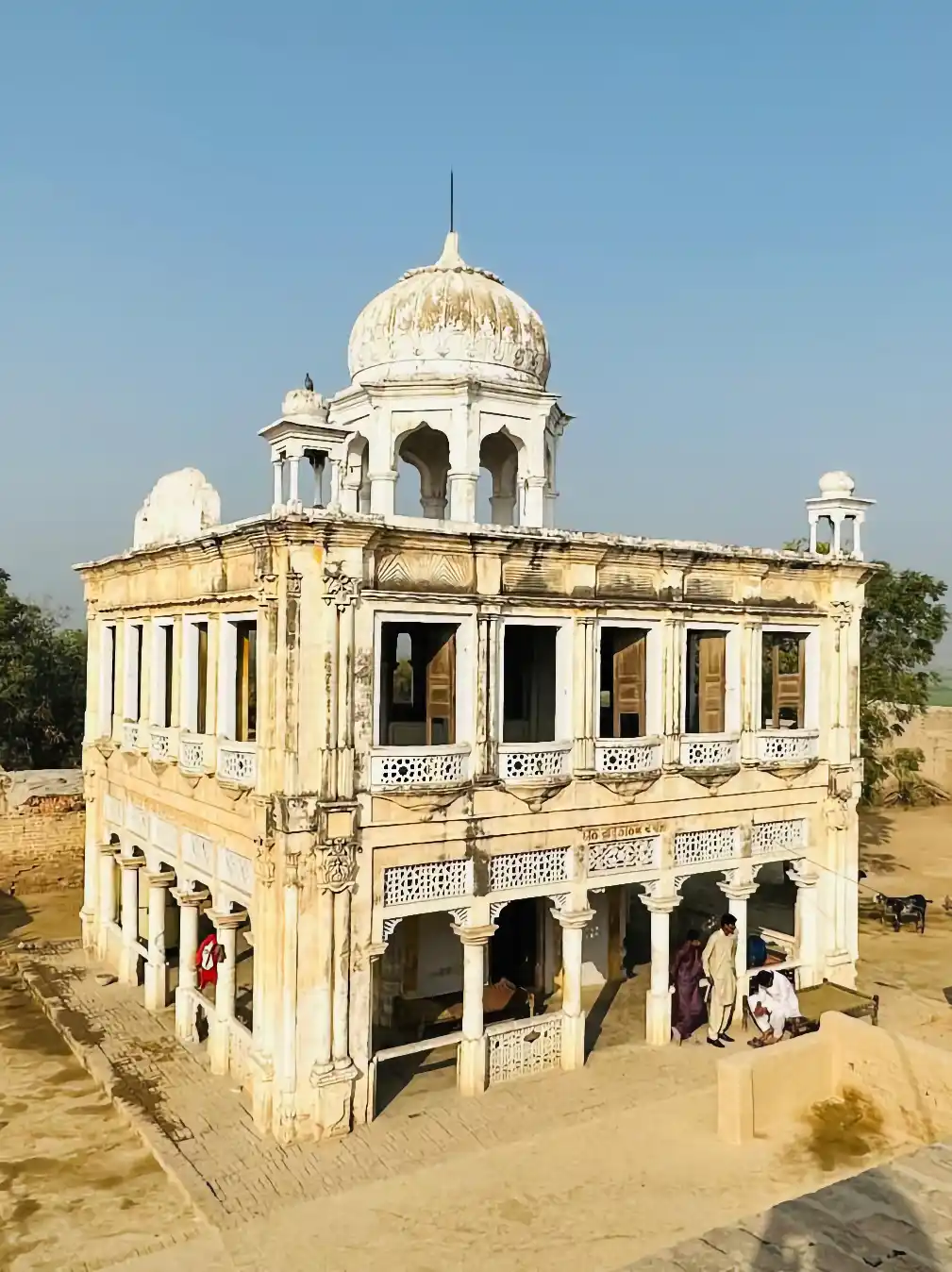
The surviving structural remains of the historical Gurdwara Sahib Patshahi Pehli in Chak 1 EB, Pakpattan, Pakistan, as documented by the Jeevay Sanjha Punjab project.
Vanishing Legacy

Field Observation

Help us Map the
Forgotten Heritage

Deep within the villages of Lehnda Punjab, hundreds of historical Gurdwaras and Smadhs stand in silence. If you are a resident or a traveler who has seen a fading Sikh landmark, share its location and photos with Jeevay Sanjha Punjab. Every pin on our map helps preserve a physical witness to our history.

Submit Site Details